Life on the Water
A Q&A with Sailors for the Sea Ambassador Behan Gifford, Part 1
For Behan Gifford, sailing has never been just about being on the water. What began as a childhood connection to her father’s love of sailing eventually became a way of life—and a lens through which she and her family have experienced nature, cultures, and the ocean firsthand. As a Sailors for the Sea Ambassador, Behan is also passionate about helping fellow sailors understand the everyday choices they can make to protect the waters they love.
In Part 1 of our conversation, Behan shares what first drew her to sailing and some simple ways sailors can reduce their impact on the ocean.
What first drew you to a life on the water, and when did sailing become more than just a hobby for you?
Behan: As a child, I was attracted to sailing because I knew my father loved it. He’d get a certain twinkle in his eye talking about racing his Pacific Interclub on San Francisco Bay. Surely, sailing must hold some life secrets to unlock! Sitting aboard PIC-SEA is my earliest memory.
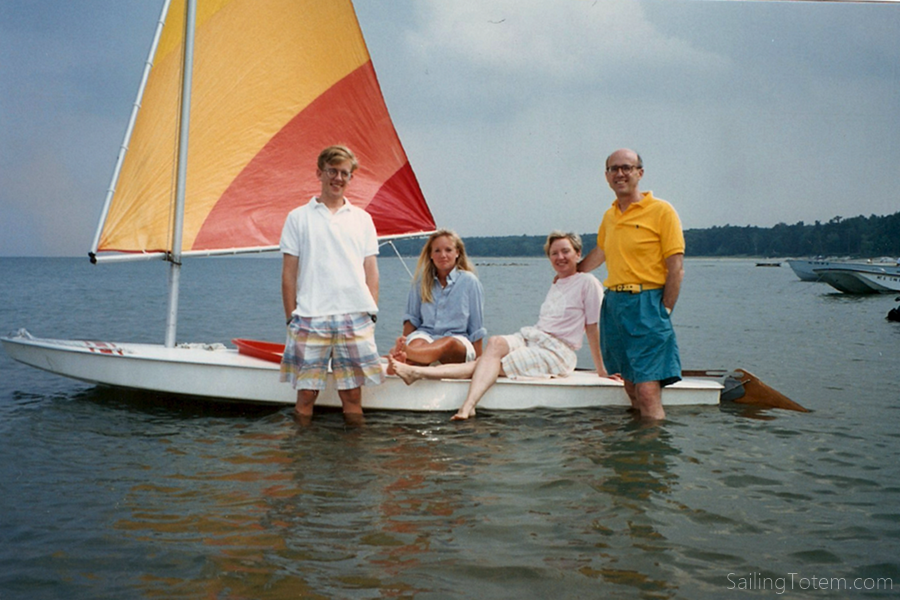
Later, sailing drew me in as a teenager looking for independence and freedom. I’d push our family’s sunfish off the beach into Lake Huron, and get lost for hours looping around a bay. In college, I accidentally became a competitive sailor and got hooked on learning how to get the most out of a dinghy. But what sold me on sailing as more than a hobby was the opportunity it offered to reframe our definition of a good life and live in a way that was supremely fulfilling. It meant being closer to nature, in tune with the environment, and connecting with cultures and landscapes to learn from and share with.
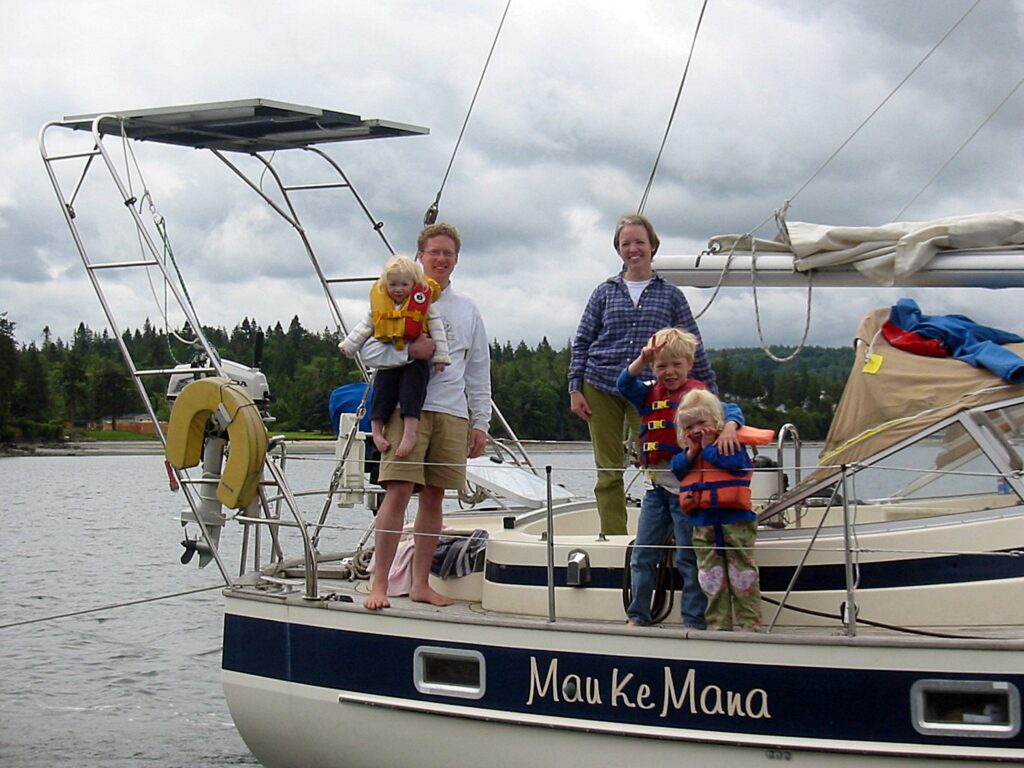
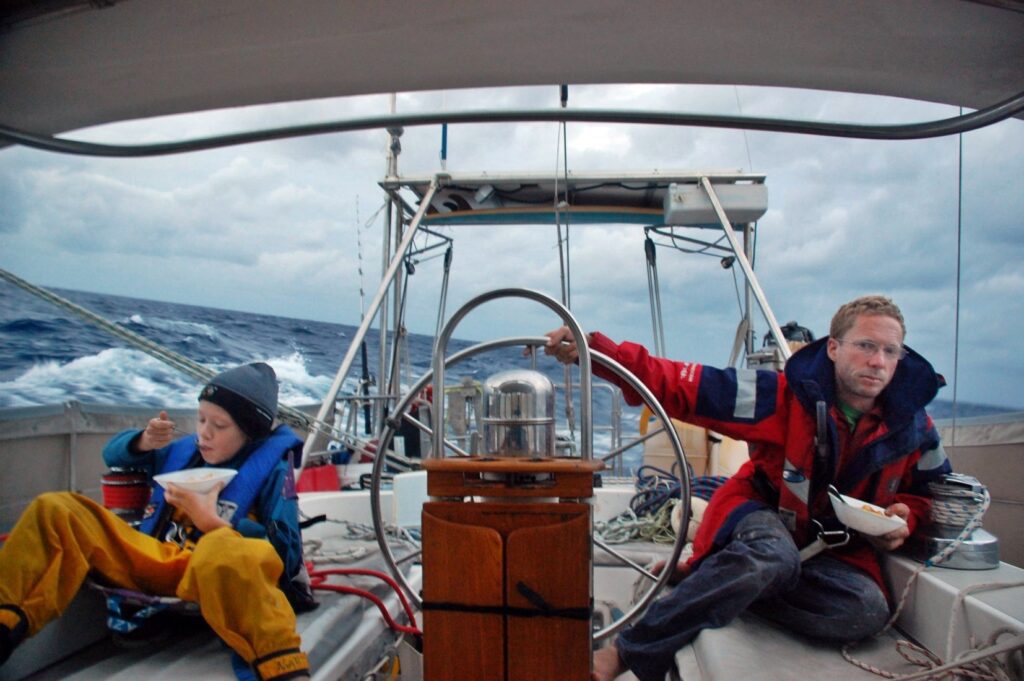
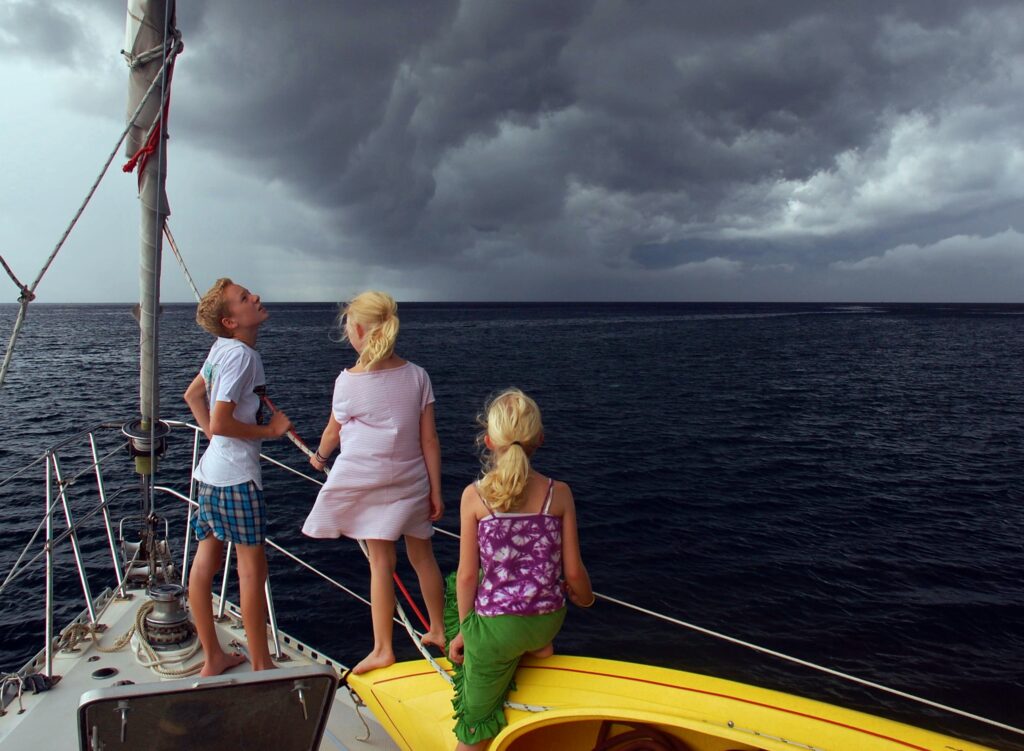
Originally, sailing – cruising, that is – was anticipated as a retirement lifestyle, once our kids had grown up. After losing my husband Jamie’s mother to cancer far too soon, we changed that up. On August 21, 2008, we untied Totem from the dock in Eagle Harbor with our three young children aboard. The plan was to be gone for two to five years. More than eighteen years later, sailing stopped being something we were doing for a while and instead became the framework for how we lived. Those goals to live a good life? They were being realized. Over those years, the ocean became playground, highway, food source, and, especially, teacher.
What are some simple changes sailors can make aboard their boats to reduce their impact on the ocean?
Making better choices about what we put into the water column through our drains and from the hull of our boats is one of the biggest differences individual cruisers can make.
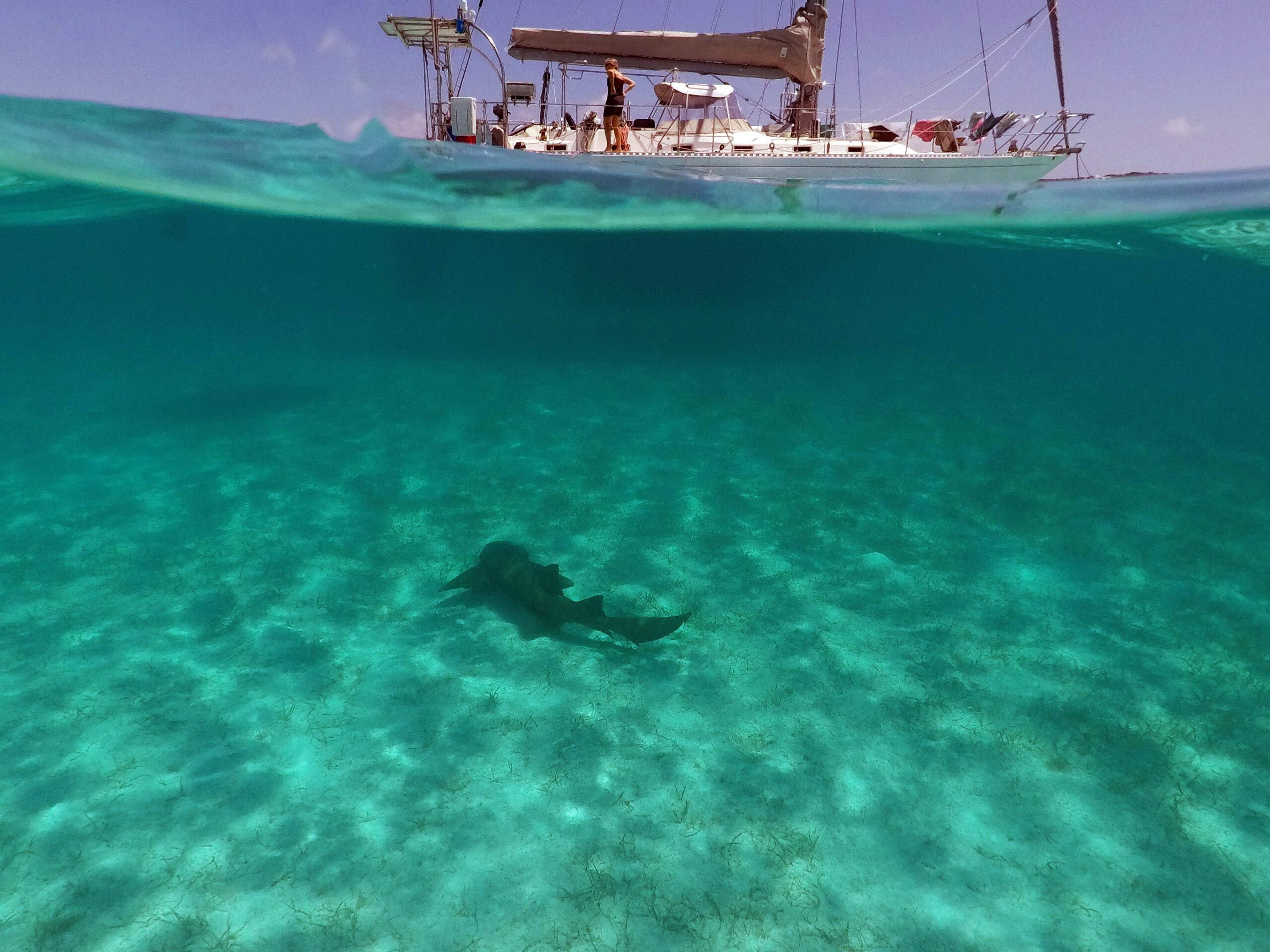
Most boats have antifouling paint which works by leaching or shedding toxic heavy metals or biocides. Ingredients designed to kill marine life…can kill marine life! Upgrading Totem’s antifouling to an epoxy coating that doesn’t slough or leach has been one of the more ocean-friendly changes we’ve made aboard our boat. When we had ablative paint for a couple of years prior, it was a terrible feeling to clean the bottom of the boat and see clouds of paint blooming with every swipe. Totem was anchored in some stunning and delicate reef environments, and we didn’t want to continue harming them.
Because it’s more immediately addressable regardless of antifouling, it’s important to think about what we add through our vessel greywater. It is an untreated cocktail that can include microplastics (that could come from synthetic clothing), surfactants (like detergent), and food waste. Being mindful of what clothing we choose, what products we use, and how we manage waste—before and after it has been processed through a human body—are some of the simplest ways to reduce our impact.
Have you seen changes in the marine environment over your years of cruising? What stands out most?
Absolutely. Some of the changes are subtle, but some are impossible to unsee. The pressure of international fishing has been shocking and visible on our radar and AIS receivers on passages that might not have had a speck of another boat when we first started cruising. Today, it’s estimated that 38% of global fisheries stocks are overfished and in need of rebuilding, and another 51% are fully exploited.
Over the years, we have seen progressively more impact from climate change, too. Weather rules our lives, and it is increasingly volatile and unpredictable, behaving differently than the historic data we use for planning. In areas with low-lying atolls, the climate-driven rise of sea levels means some will soon be uninhabitable. Not because they’ll be awash necessarily, but take Lamotrek atoll, for example. When we visited this Micronesian island last year, the area where the roughly one hundred residents can grow their staple of taro is shrinking as the saltwater table rises. Some have begun using raised beds, but that’s not practical. The reality is that people may have to abandon their ancestral homeland within a generation or two.
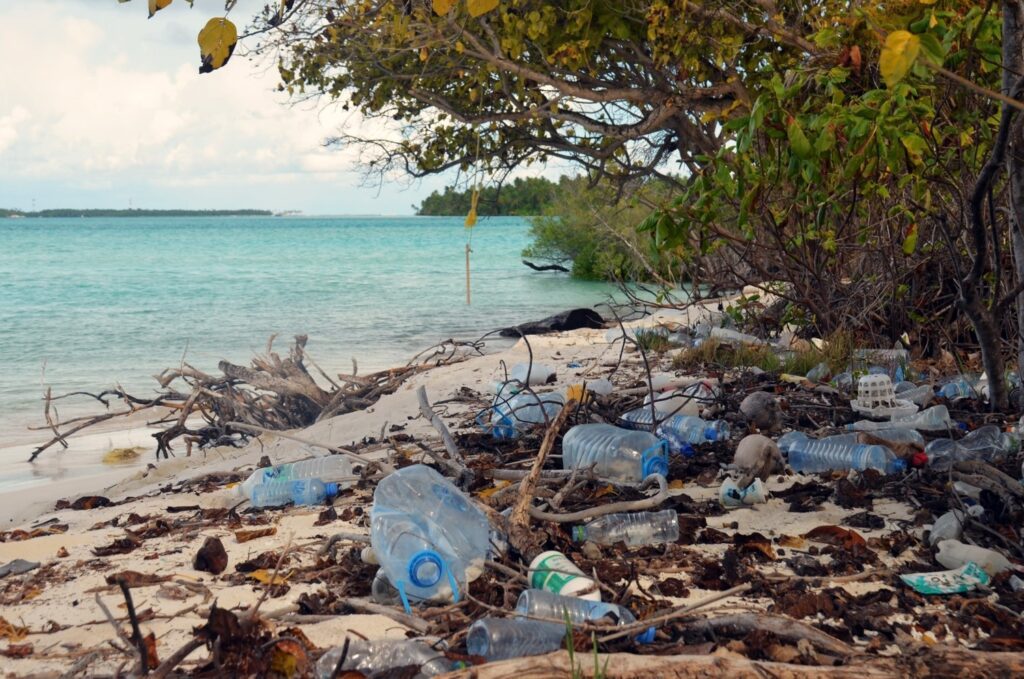
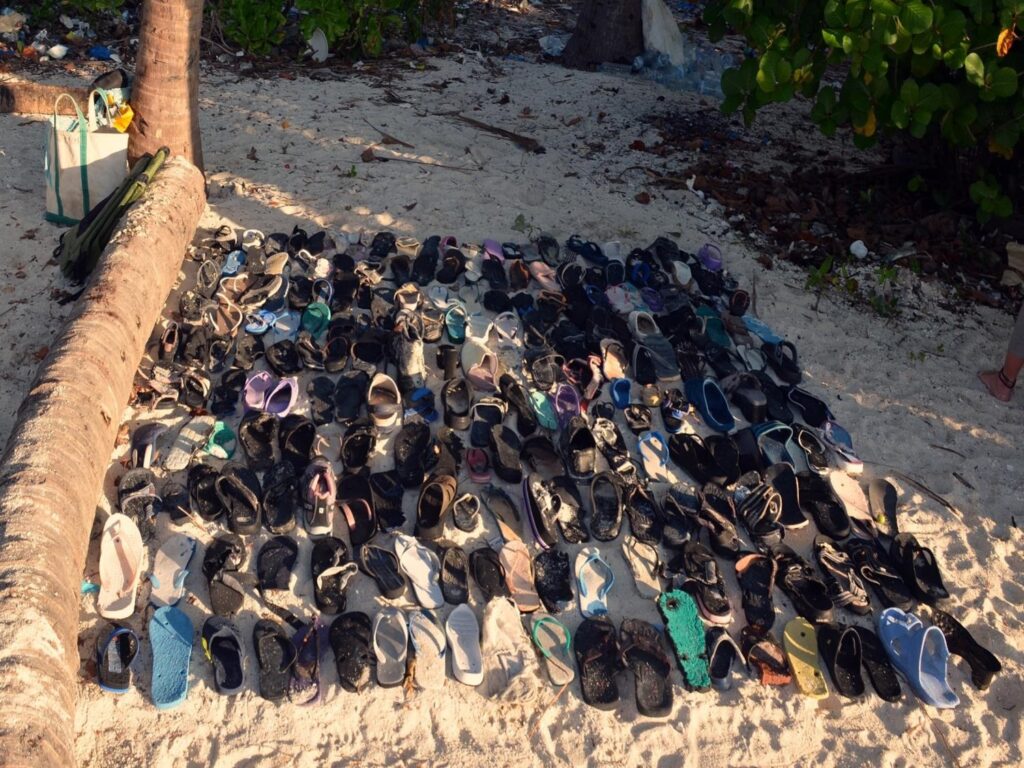
We’ve also seen plastic waste, degraded reefs, polluted water, and places where the natural world is being overwhelmed by development or extraction. There were years we only caught “plastic bag fish.” We’ve arrived at places that were breathtaking above the water and heartbreaking below it. I am keenly aware that we are bearing witness: a privilege and a devastating heartache.
More wisdom from Sailors for the Sea Ambassador Behan Gifford to come in part two! In the meantime, learn more about Behan and Sailing Totem below.
Sailing Totem