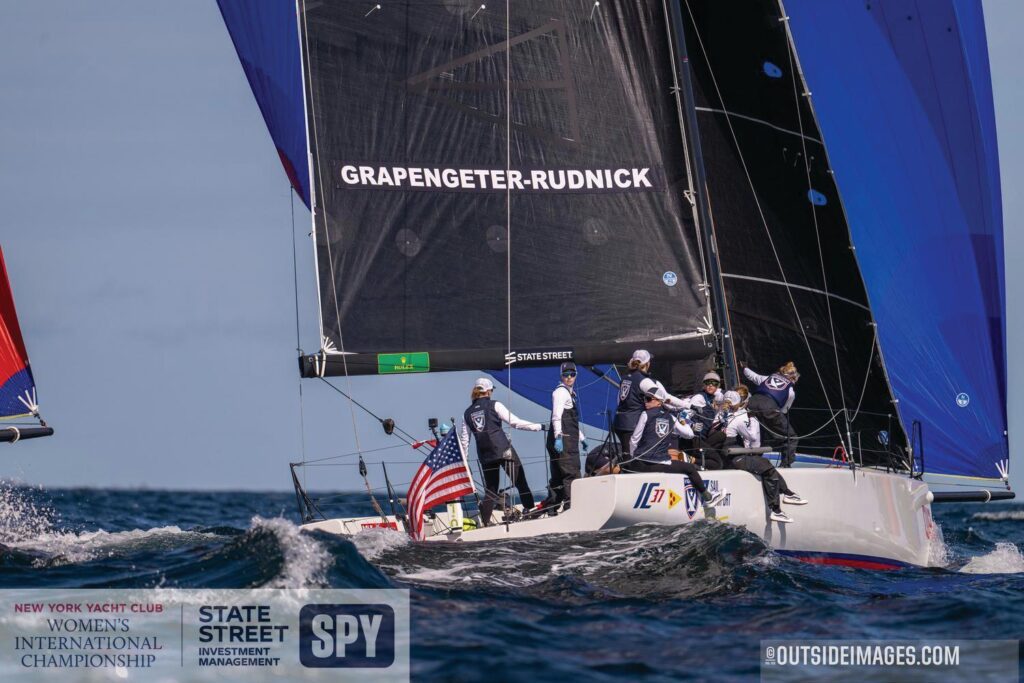
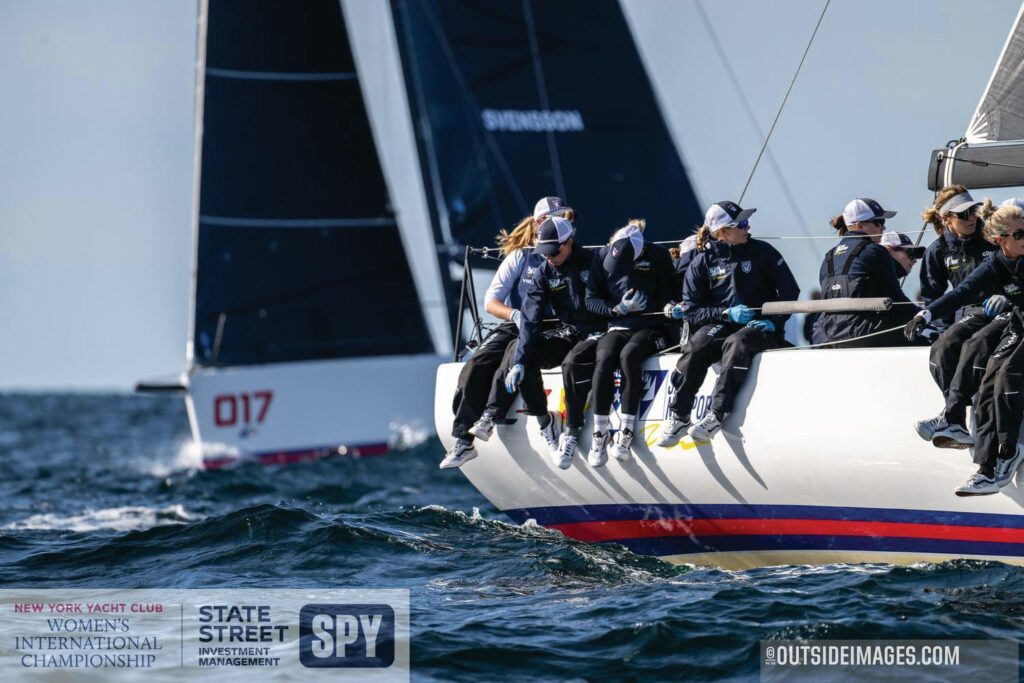
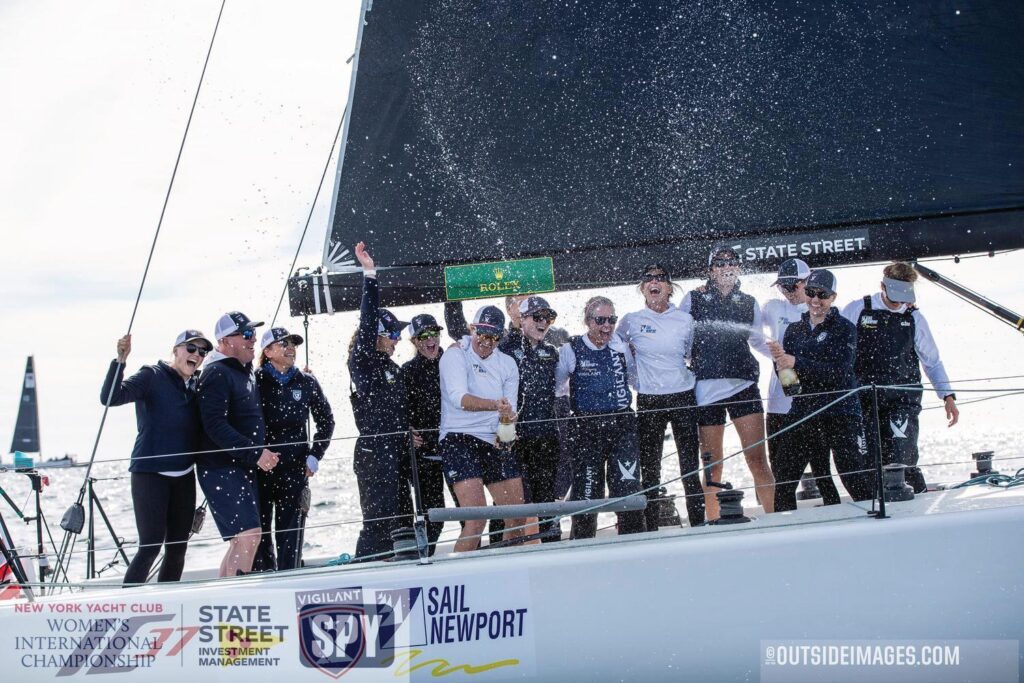
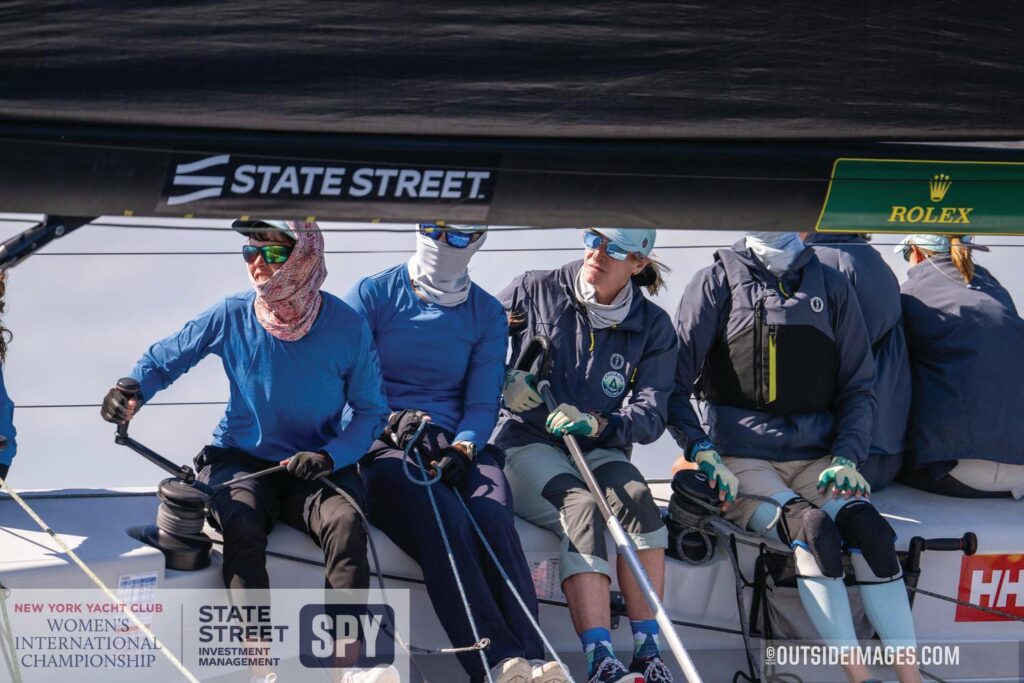
Our Skipper volunteers guide our programs, helping us reach new audiences in the boating community, develop innovative ideas, and test our work out on the water. This group of sustainability champions leads by example, demonstrating excellence in sailing and a deep commitment to protecting our waterways. Four of our female Skipper volunteers were invited to compete in this year’s inaugural IC37 Women’s International Championship at the New York Yacht Club. Skipper volunteer and Skipper of the winning team, Megan Grapengeter-Rudnick, shares her perspective on the event and the importance of incorporating sustainability into every race.
IC37 Women’s Invitational Championship: A Skipper’s Perspective
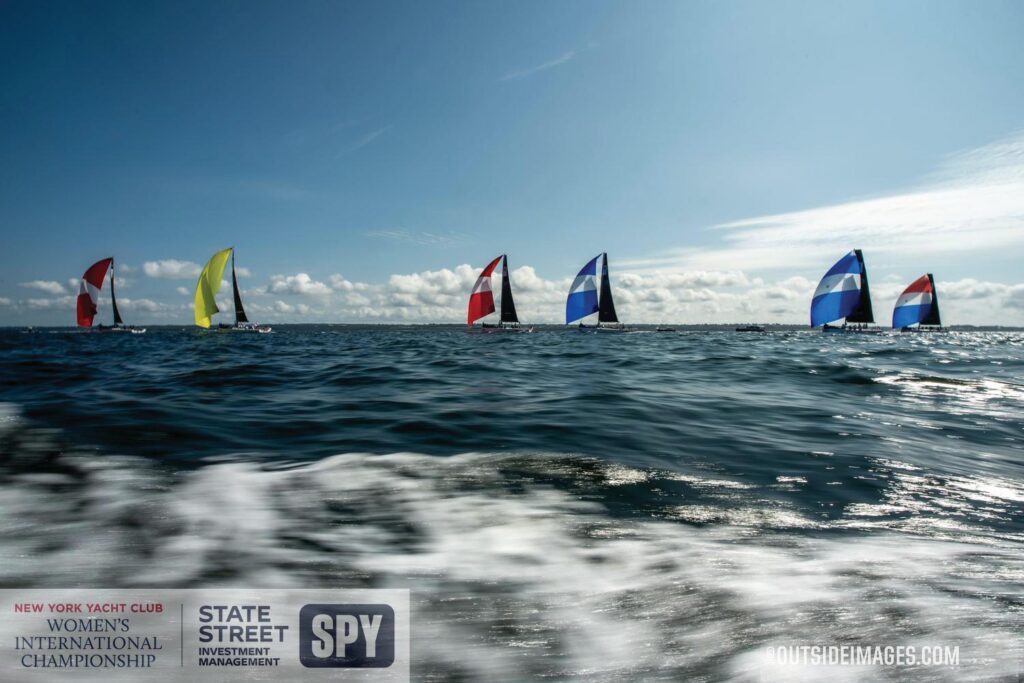
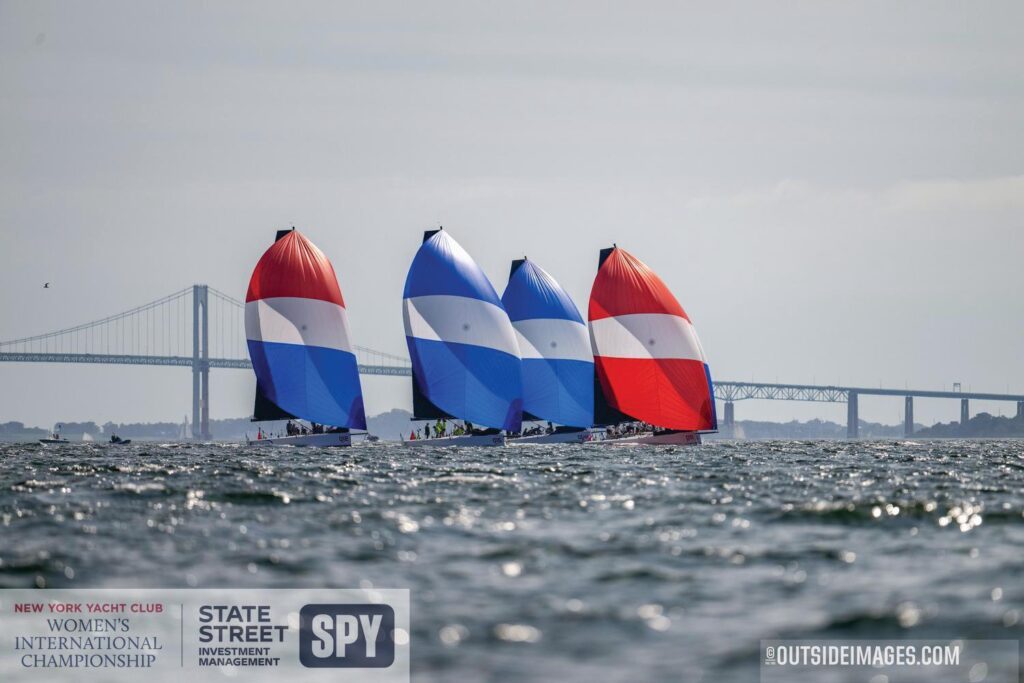
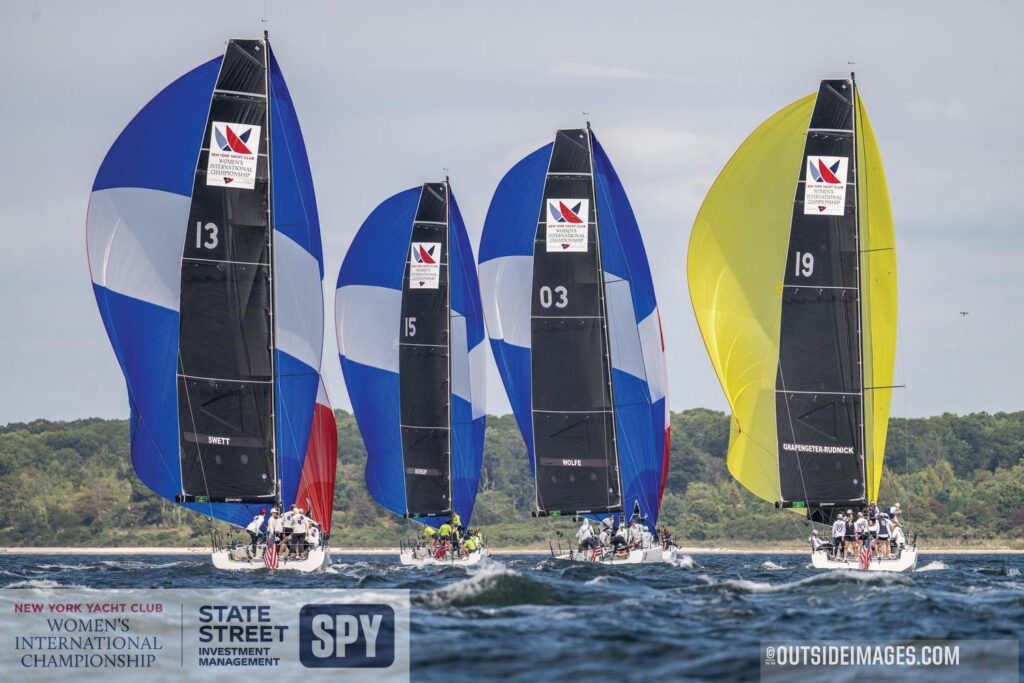
The inaugural Women’s Invitational Championship (WIC) was hosted by New York Yacht Club (NYYC) in September 2026. The event provided a first-of-its-kind opportunity to bring together hundreds of the world’s best women’s sailors for a one-design keelboat regatta in the IC37s.
Twenty teams came from around the world for the week-long event, with representation from countries including the United States, Australia, United Kingdom, Germany, Norway, Mexico, China, South Africa, and New Zealand, among others. The IC37 requires anywhere from 8 to11 people to sail effectively, meaning that about 200 elite women athletes descended upon Newport, Rhode Island for the event. The competition was fierce on the water and yet deeply collegial on land – a balance that can only be struck by a women’s event.
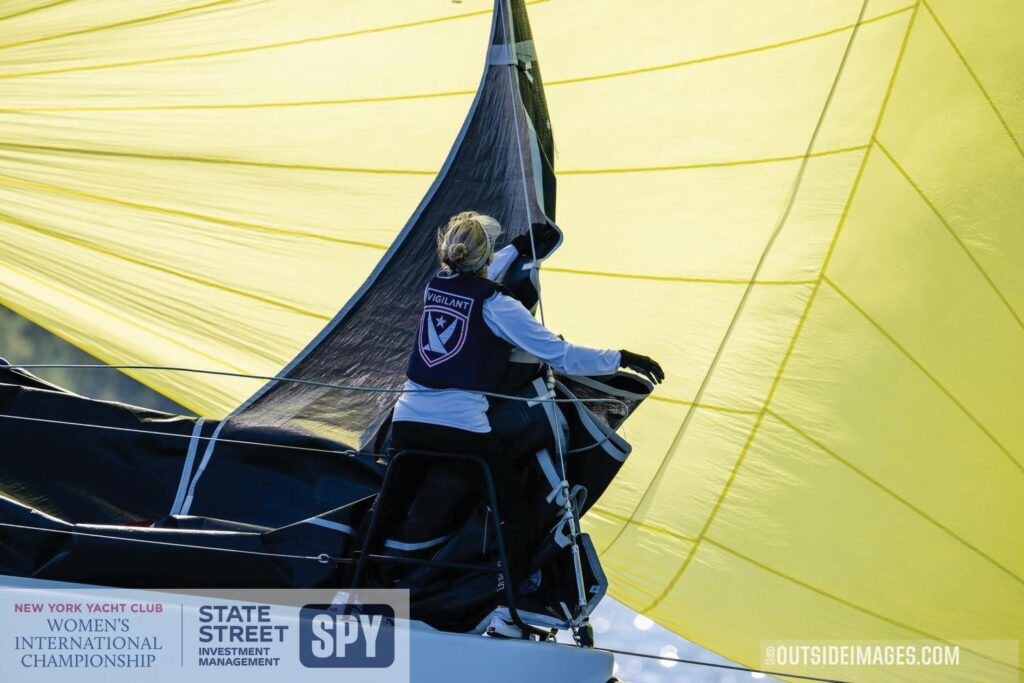
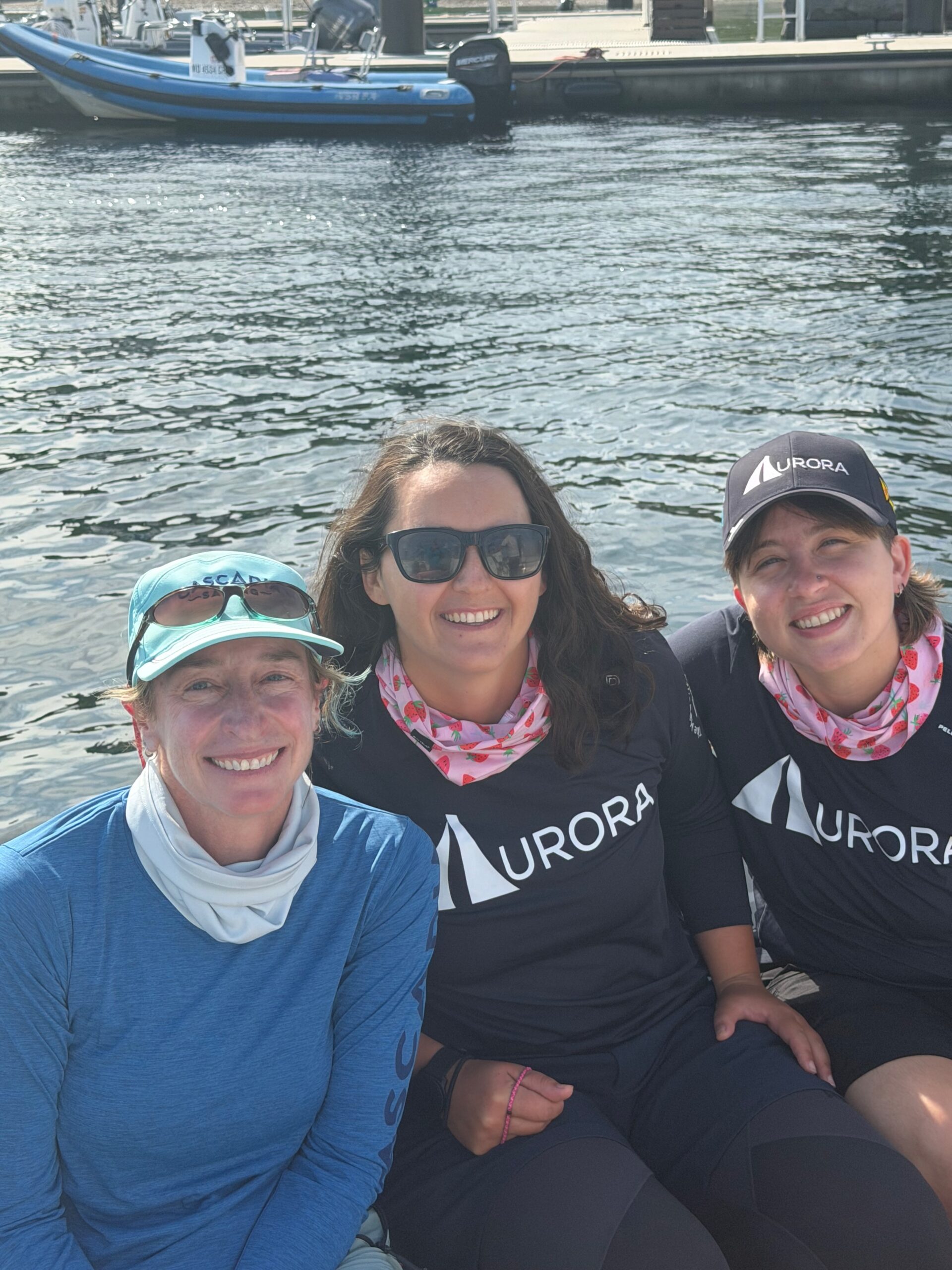
The WIC was also significant in bringing together four Sailors for the Sea Skipper volunteers who were competing for three separate teams during the event: Chris Wolfe, Skipper for Team Cascadia; Emma Janson and Maya Hoffman, crew for Team Aurora, and me as Skipper for Team Vigilant.
I was personally thrilled to pursue Sailors for the Sea’s Clean Regattas certification at the WIC as an active member of the IC37 class and a NYYC member. We were fortunate enough to have a lot of legwork already completed, as NYYC achieved Platinum certification for the Team Race Worlds the year prior. The educational component was therefore negligible, and we were able to get straight to work.
We received full and enthusiastic support from the WIC regatta organizers and NYYC, who volunteered their time and efforts to help us address the items required for certification over the course of the year. We couldn’t have done it without their help or the can-do attitude exhibited by everyone involved. As a NYYC member, it was a proud moment to see everyone so dedicated to making the event a Clean Regatta.
Pursuing Platinum Clean Regatta certification was very meaningful for all four Skipper volunteers for a few reasons:
First, it presented an opportunity for us to collaborate to make the event as sustainable as possible. We’re often operating solo in our local fleets and yacht clubs; working together provided the chance to learn from one another and make use of more brainpower.
Second, it was exciting to set the bar for Clean Regattas certification at the event’s inaugural edition. Now, the foundation is set for the WIC to be a Clean Regatta in subsequent years, building upon the success of this event.
Finally, the WIC is a companion event to the co-ed Rolex Invitational Cup which happens biannually. It’s exciting to have set the precedent for Clean Regattas certification with the women’s event, knowing that the Invitational Cup may more easily follow suit. Not only has the WIC proven to be competitive and successful, but it has also helped set a standard for the class and for similar events going forward.
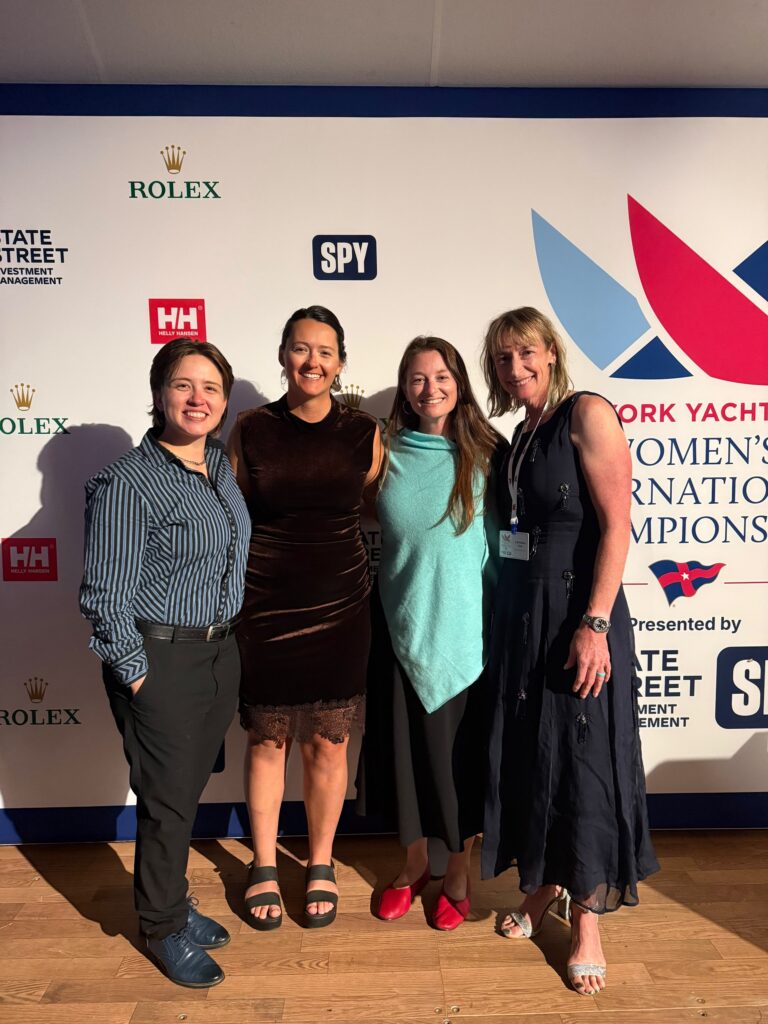
One of my favorite parts of the event was having Sailors for the Sea team members, Emily and Steff, join us for the post-racing awards ceremony and social under the tent. I loved that Sailors for the Sea got visibility while all competitors were present, and that the regatta organizers could put faces to names for future Clean Regatta efforts. Nothing beat having members of the Australian team spend time asking Emily and Steff questions about how they might be able to bring similar principles to their events on the other side of the world. In my view, that was the greatest success we could have hoped for.
Hosting a successful Clean Regatta has a fantastic local impact, but inspiring others means that similar impact can be made elsewhere around the world, and more people will be exposed to Sailors for the Sea’s mission.