Many boats use copper-based bottom paints, which can harm aquatic wildlife. Learn about eco-friendly alternatives that will not only lessen your boat’s environmental impact, but may also save you money!
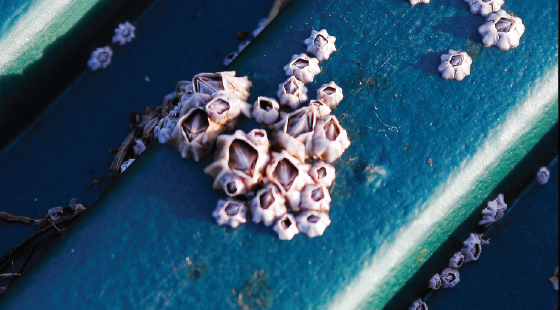
Everything below the waterline of your boat is part of the marine ecosystem. Left without any protection, your boat will start to attract multiple organisms, including algae, slime, seaweed, barnacles and mussels. This growth is also known as biofouling.
How do you prevent growth on your hull?
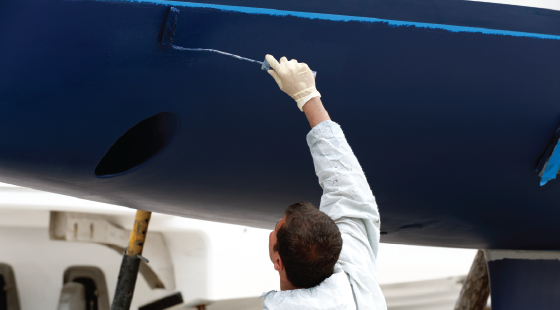
One method to prevent growth is the application of an antifouling bottom coating. Selecting the best antifouling coating for your boat is far from a simple decision with many factors to be considered, including:
Type of boat
Time spent in the water and frequency of use
Average speed
Location (salt- vs. fresh-water, level of fouling)
Cost and lifespan of desired coating
Existing hull coating on boat
Realistic maintenance schedule
Many antifouling bottom coatings contain a biocide, a chemical used to kill microorganisms, which impedes the growth of barnacles, algae, and other marine
organisms on the hull. Today, the most commonly used biocide in antifouling paint is copper oxide. Copper is a naturally occurring element, but at high enough concentrations, it interferes with cell metabolism. This interference makes it challenging for life to grow on your boat’s hull. The problem with using copper in antifouling paint or coating is that it can also leach into the marine environment, where it can accumulate in filter feeders such as clams and mussels, as well as damage the larval stages of aquatic invertebrates and some fish species. Marinas and protected anchorages with little current or tidal movement are particularly vulnerable, as they allow the buildup of copper to toxic levels.
For example, in San Diego Bay, Shelter Island Yacht Basin had been identified as an area where high copper levels exceeded federal and state standards. The largest source of copper was from boat hull paints. To improve water quality in the region, the Port of San Diego engaged with boaters to reduce levels of dissolved copper by developing polices for hull paints and hull cleaning, bay-wide monitoring, and conducting hull paint research and testing. These efforts have reduced copper pollution and improved water quality in San Diego Bay.
Non-copper biocide paints generally contain zinc or organic active ingredients (e.g. Econea or Irgarol). Irgarol has been banned in the US and EU, but there is
not enough research to determine the environmental harm of these other biocides.
What are the eco-friendly options?
There are two broad groups of antifouling coatings:
Soft (aka, ablative, self-polishing or eroding)
Hard (aka, non-sloughing)
Ablative paints gradually wear away, continually revealing fresh biocide as your boat moves through the water or with light cleaning. Ablative paint is commonly used in high-fouling areas, and if you take your boat out of the water in the winter because the antifouling can be reactivated with a light scrub. With hard bottom coatings, the biocide slowly dissolves (rather than the paint itself), allowing water to penetrate deeper into the paint until all the biocide is depleted. Hard coatings with biocides are recommended for boats that stay in the water year round since the paint will become ineffective if the boat is taken out of the water.
What are the eco-friendly options?
Non-biocide Coating
There are coatings that do not release chemicals into the water, called non-biocide hull coatings, and are therefore a more environmentally friendly option. However, they may not be the best choice for specific types of boat, use and location.
Hard non-biocide coatings are typically composed of epoxy or ceramic – extremely durable materials. They will not prevent the attachment of fouling
organisms but can withstand aggressive cleaning and can last up to 10 years before needing to be reapplied. Soft non-biocides are commonly formulated with silicon compounds. They create a slick surface that prevents fouling organisms from attaching to the hull. Hulls with this coating are relatively easy to clean and are designed to last up to 5-10 years before needing to be reapplied.
Biocide Coating with a Low Leaching Rate
Biocide antifouling coatings contain various amounts of biocide and have different leaching rates. If using a hull coating with a biocide, it’s preferable to use a brand that has a low leaching rate to reduce the amount of biocide entering, and potentially accumulating, in the water. There are many brands on the market that have reduced levels of copper and low leaching rates. Since California has the strictest regulations regarding copper bottom paints, we recommend using one of their approved bottom coatings (with a leach rate of less than 9.5 µg/cm2/day). Hull cleaning can impact leach rate, so it is important to follow manufacturer’s instructions.
Tips for removing your old bottom paint:
Scrub your hull on land during a haul-out period. Ask if your marina has a designated washdown area to help minimize environmental impact.
Place a tarp or filter cloth under the boat to catch paint and scraping chips.
It’s dangerous to remove any large areas of antifouling by dry sanding, both to the operator and environment. If possible, place a tent over your boat to contain airborne particles or choose a still, windless day to sand. Try to wet sand or use a vacuum sander to remove old paint.
When you have finished, collect any waste for safe disposal in a hazardous waste receptacle.
Tips for applying new bottom paint:
Make sure that the hull is thoroughly cleaned and rinsed, and follow the manufacturer’s instructions for coating application.
Place a tarp or filter cloth under the hull to catch drips or spills.
Did you know?
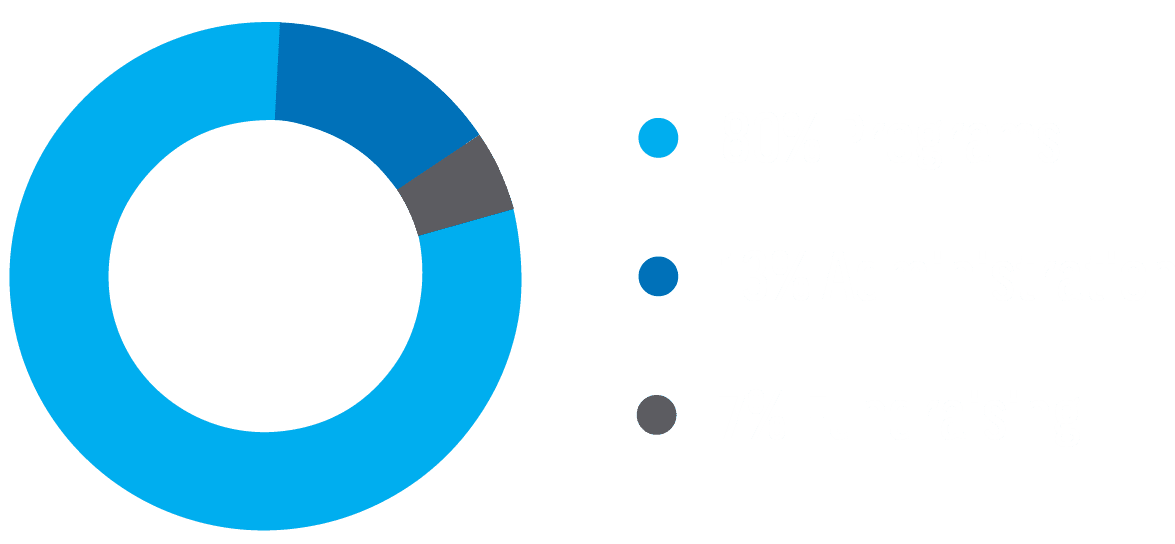
In San Diego Bay, 72% of the copper entering the water is due to discharges from antifouling paint and in-water hull cleaning (Office of Naval Research).